The global energy market is on the brink of a technological revolution. If the last decade saw the transformation of production sources — from fossil fuels to solar and wind energy — the next wave of innovation targets how energy is traded, distributed and monetized. At the heart of this transformation lies blockchain technology, an instrument that promises to eliminate intermediaries, reduce costs and democratize access to the energy market.
Peer-to-peer (P2P) energy trading is perhaps the most visible use case. Imagine a prosumer with rooftop solar panels who can sell surplus energy directly to a neighbor, without going through a traditional utility provider. Blockchain makes this possible by creating a transparent, immutable and automated ledger of transactions. Every kilowatt-hour produced, stored or consumed is recorded on the blockchain, and payment is executed instantly through smart contracts. No more disputed bills, payment delays or opacity in pricing.
Tokenization of energy assets opens an entirely different dimension. A 50 MW wind farm can be "divided" into millions of digital tokens, each representing a fraction of the production capacity and the revenue generated. An investor in Bucharest can own tokens from a solar park in Spain, receiving proportional income from energy production. This democratization of green energy investment eliminates traditional barriers — you no longer need millions of euros to invest in energy infrastructure; you can start with 100 euros.
Smart contracts for grid management bring operational efficiency to another level. A smart contract can automatically detect overloading on a transmission line and activate battery storage, redirect energy flows or adjust prices in real time to balance supply and demand. These automated mechanisms eliminate manual decisions, reduce response time from minutes to milliseconds and minimize energy losses in the grid.
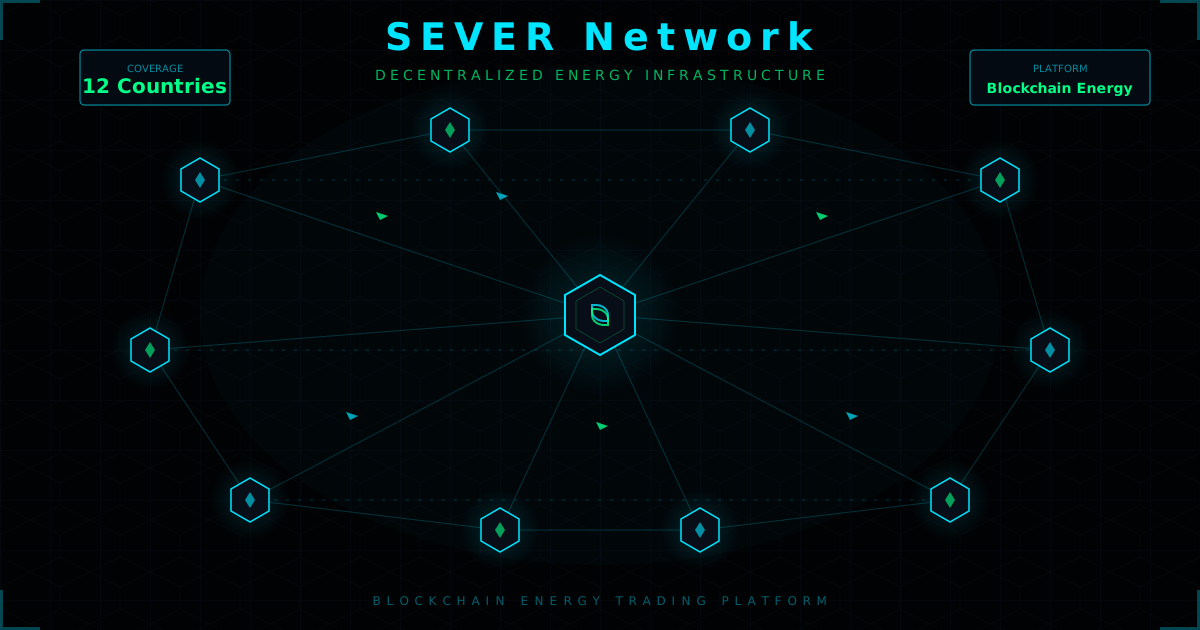
At SEVER Network, we have built a decentralized energy trading platform that already operates in 12 European countries. Our vision is simple: energy should be as easy to transfer as information on the internet. By combining blockchain with BESS storage systems — such as those developed by eBattery.Energy — we are creating a complete energy ecosystem: green production, intelligent storage and decentralized trading. This is the future of the European energy market, and Romania plays a central role in this equation.